HIFU treatment is a non-surgical method used in cosmetic clinics to improve skin firmness and reduce early signs of ageing. It works by using focused ultrasound energy to reach deeper layers of the skin without cutting or damaging the surface. Many people choose it as an alternative to surgical lifting because it requires little downtime. The results appear slowly as the skin begins to rebuild its internal structure over time.
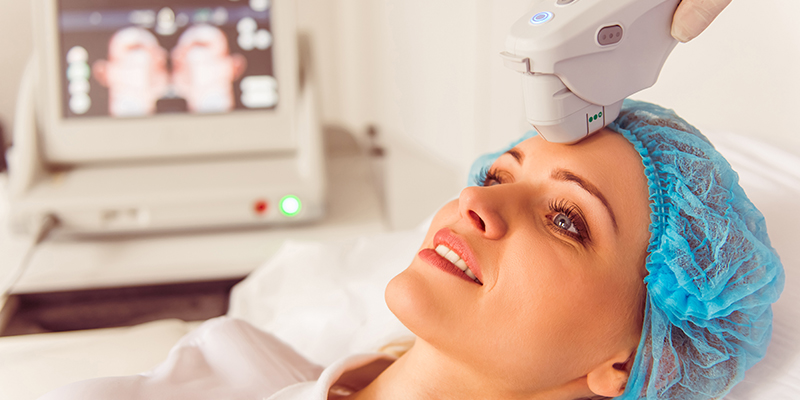
How ultrasound energy affects the skin
HIFU works by sending controlled ultrasound waves into targeted layers beneath the skin. These waves create tiny heat points that stimulate the body’s natural healing response. Collagen production increases as the skin repairs itself. This process helps improve firmness and elasticity over several weeks.
The SMAS layer is often the main target because it supports facial structure and shape. When this layer is heated in a controlled way, it can create a lifting effect without surgery. The surface of the skin remains untouched during the process, which reduces recovery time. Skin feels warm. Results take time.
Over time, new collagen fibres form and strengthen the treated areas. This gradual improvement means changes are not immediate, but they tend to look natural when they appear. Many people notice subtle tightening after a few weeks, while full results may take months to develop. The process depends on age, skin condition, and lifestyle habits such as sun exposure and hydration levels.
What happens during a treatment session
A typical session begins with a consultation where the practitioner checks skin condition and discusses goals. The face or body area is then cleaned before treatment begins. A gel is applied to help the device move smoothly across the skin. The practitioner maps out areas for precise energy delivery.
During the procedure, a handheld device sends ultrasound pulses into the skin at controlled depths. Many clinics offering HIFU treatment follow structured protocols to ensure safety and consistent results across different skin types. The sensation can feel like brief tingling or warmth in certain areas. Most people tolerate it without needing anaesthetic. The session usually lasts between 30 and 90 minutes depending on the treatment area.
After the session, there is usually no downtime required. Some people experience mild redness or slight tenderness that fades within hours. Normal daily activities can be resumed immediately. The skin continues to respond beneath the surface even after the appointment ends.
Benefits and limitations of the procedure
HIFU is often chosen because it offers a non-invasive way to improve skin firmness. There are no surgical cuts or stitches involved, which makes it appealing for people who want minimal disruption to daily life. The results develop gradually, giving a natural appearance over time. This slow change is preferred by many individuals.
However, results are not the same for everyone. People with mild to moderate skin laxity usually see better outcomes compared to those with advanced sagging. Age, genetics, and skin health all play a role in effectiveness. Multiple sessions may sometimes be recommended for improved results.
Some common effects include:
- Gradual tightening of facial skin
- Improved skin texture over time
- No major recovery period needed
- Natural-looking results
Even though the treatment is generally safe, expectations should remain realistic. It does not replace surgical facelifts in more severe cases. Results may also vary depending on how the body produces collagen after treatment. Consistency in skincare and sun protection can help maintain outcomes longer.
Who is suitable and what to expect after treatment
HIFU is usually suitable for adults experiencing early signs of ageing such as mild sagging around the jawline, cheeks, or neck. It is often selected by individuals who want improvement without undergoing invasive procedures. Skin condition is more important than age when determining suitability. A professional consultation is always recommended before starting.
During the consultation, practitioners review medical history and examine the skin carefully. This helps ensure the treatment is safe and appropriate for the individual. Photographs may be taken to track progress over time. This allows changes to be measured more clearly over several months.
After treatment, collagen production continues beneath the skin. Results may become more visible after several weeks, with gradual improvement continuing for up to three months. Maintenance sessions may be suggested depending on individual goals and skin response. Good skincare habits can help extend the effects of the treatment.
HIFU treatment offers a non-surgical approach to skin tightening that works with the body’s natural healing process. Results develop slowly and vary between individuals, but many people appreciate the subtle and natural improvements. With proper assessment and care, it can be a useful option for enhancing skin firmness over time.